Renovation Contractor Suggestions: Enhance Your Living Space With Elegance
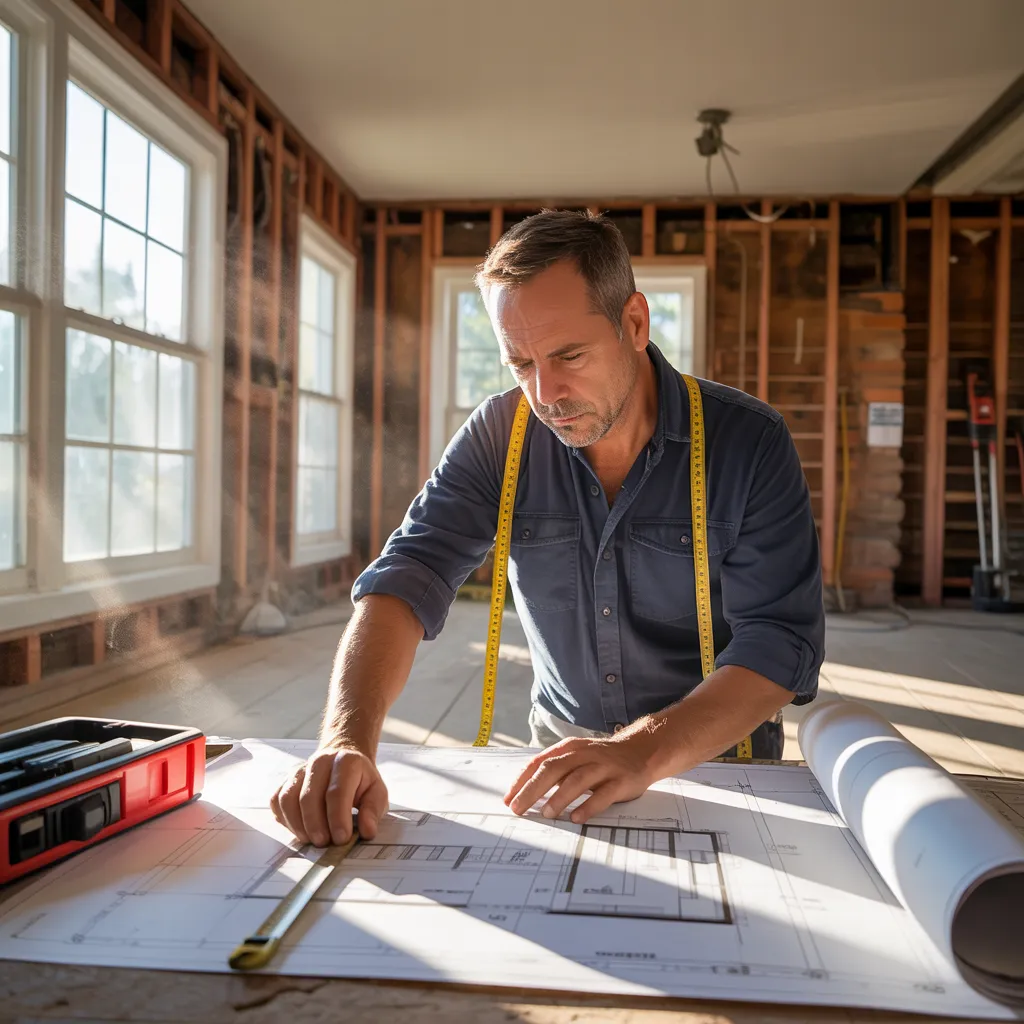
Home remodeling can significantly improve a residential area, but selecting the appropriate contractor is crucial. A skilled expert can turn concepts into tangible results while reducing stress. However, many homeowners face challenges in selecting the best fit. Comprehending the key aspects of this procedure can result in a successful project. What steps should one follow to guarantee an efficient and stylish makeover? The following insights will provide clarity and guidance for traversing this complex endeavor.
Tips for Choosing the Ideal Remodeling Contractor
When evaluating a home remodel, how does one identify the best builder for the task? The process commences with thorough research. Homeowners should request suggestions from friends, family, or online reviews to compile a list of potential candidates. Once a shortlist is established, it is essential to confirm each contractor's credentials, making sure they are licensed, insured, and have a good standing with local regulatory bodies.
Interviews function as an essential element in the hiring decision; homeowners should ask regarding past projects, timelines, and references. Requesting thorough cost breakdowns helps clarify costs and scope. Additionally, communication style and rapport are vital; a contractor should be accessible and attentive to concerns.|Interviews are key in the contractor choice; homeowners should inquire regarding past projects, timelines, and references. Requesting detailed estimates helps outline costs and scope. Additionally, interpersonal dynamics are crucial; a contractor should be accessible and attentive to concerns.|Interviews represent a key role in the selection process; homeowners should inquire regarding past projects, timelines, and references. Requesting thorough cost breakdowns helps clarify costs and scope. Additionally, how well you connect are crucial; a contractor should be approachable and responsive to concerns.
Ultimately, reviewing contracts thoroughly can eliminate misunderstandings. By carrying out these steps, homeowners can strengthen their chances of identifying a remodeling contractor who matches their expectations and delivers quality work.
Master Your Renovation Budget
A well-conceived renovation budget is indispensable for any prosperous home venture. Formulating a transparent financial framework enables homeowners to establish their needs and avoid excess spending. From the beginning, it is important to evaluate the complete scope of the venture, including labor, materials, and supplementary costs such as permits or inspections.
Creating a realistic budget entails investigating expenses and getting various bids from builders. Homeowners should also allocate a contingency fund, usually 10-20% of the total amount, report to cover unexpected expenses that may arise during the home improvement process.
Recording expenses diligently throughout the project is critical. This practice guarantees that the homeowner maintains within spending limits and can make prudent decisions as changes occur. Finally, clear discussion with the contractor helps to synchronize expectations and avoid misunderstandings, ultimately producing a smooth and successful remodeling experience.
Opt for Selections That Upgrade Your Home's Design
When determining materials for home renovation, selecting timeless finishes can forge a lasting appeal. Mixing color and texture enhances the overall aesthetic, while emphasizing sustainable choices demonstrates a dedication to environmental consciousness. Together, these aspects can substantially improve a property's style and market value.
Choose Timeless Finishes
Timeless surfaces are crucial in enhancing a home's visual appeal and ensuring lasting attractiveness. These finishes, such as natural stone, hardwood, and classic tile, establish a solid base for any decorative plan. They not only withstand changing trends but also inspire a sense of elegance and warmth. When choosing materials, homeowners should evaluate durability and ease of maintenance, as these factors contribute to the longevity of the finishes. Furthermore, opting for neutral color palettes allows for flexibility, enabling future design changes without the need to replace the finishes. By focusing on timeless selections, homeowners can create spaces that exude elegance and charm, ultimately elevating their living environment for years to come.
Balance Hue and Surface Finish
Balancing color and texture is crucial for designing a cohesive and inviting environment in any residence. The selection of materials can greatly affect the overall visual appeal. For instance, combining supple textiles with sleek surfaces can provide aesthetic distinction while improving coziness. Neutral tones often serve as a flexible foundation, enabling vibrant highlights to shine without overwhelming the space. Adding different tactile qualities, such as matte finishes alongside glossy elements, adds dimension and visual interest. Organic elements, like wood and stone, can bring in warmth, while metal details add a contemporary edge. In the end, the careful combination of hue and tactile elements not only enhances the style but also reflects the homeowner's character, creating a harmonious living environment.
Emphasize Eco-Friendly Solutions
Prioritizing eco-friendly options not just helps the planet but also enhances a home's visual appeal. Homeowners increasingly seek eco-conscious materials that blend style with functionality. Bamboo flooring, for instance, provides a modern, chic look while being a rapidly renewable material. Reclaimed wood can bring rustic charm and unique character, maintaining history while minimizing waste. Low-VOC paint options guarantee a healthier indoor atmosphere, adding to a stylish finish without sacrificing air quality. Additionally, energy-efficient appliances come in modern designs that align with contemporary aesthetics. By choosing these eco-friendly materials, homeowners not only elevate their living spaces but also contribute positively to the planet, creating a harmonious blend of style and sustainability in their remodeling projects.
Main Questions to Present to Your Home Improvement Contractor?
When starting a home remodeling project, understanding the correct questions to pose a contractor can greatly influence the outcome. Homeowners should ask about the contractor's background and past projects to gauge their expertise. Asking for referrals and reviews can provide insight into their reliability and standard of work. It is crucial to discuss timelines and work schedules to guarantee the project aligns with personal expectations. Homeowners should also clarify the scope of work, including permits and inspections, to avoid unforeseen delays or costs. Understanding payment structures and any potential additional expenses is essential for budget management. Furthermore, discussing warranty options for materials and workmanship can safeguard against future issues. Finally, it's advantageous to ask about the crew's qualifications and safety protocols to ensure a secure remodeling process. These questions help create clear communication and set the stage for a successful remodeling experience.
Effective Communication Strategies for Your Remodeling Project
Effective communication is crucial for the success of any renovation project. Establishing clear expectations from the beginning helps prevent confusion and ensures all parties are in agreement. Additionally, offering regular project reports keeps everyone informed and engaged throughout the process.
Define Explicit Expectations
Clear expectations are essential for the success of any home improvement project, as they foster effective interaction between residents and contractors. Setting up a clear scope of work is required; residents should articulate their aspirations while contractors must outline realistic schedules and financial plans. This mutual awareness helps reduce misunderstandings and conflicts.
Homeowners should also clarify their preferences regarding materials, design features, and any particular needs, guaranteeing that contractors can deliver as expected. Regular discussions about priorities and possible obstacles can further align both parties. It is important for contractors to manage expectations by being transparent about what is viable within the agreed-upon constraints. By setting clear expectations from the beginning, both homeowners and contractors can collaborate smoothly towards attaining the intended result.
Routine Task Notifications
Keeping consistent progress reports plays an important role in ensuring alignment between homeowners and contractors during the remodeling process. Timely communication guarantees that both parties stay informed of progress, challenges, and any required changes to the project schedule or budget. Contractors should set up a schedule for providing these updates, whether through weekly meetings, emails, or phone calls. This approach not only keeps homeowners engaged but also builds trust and cooperation. Homeowners should also feel comfortable asking questions or sharing concerns, fostering a two-way dialogue. By emphasizing regular updates, both sides can better manage the complexities of remodeling projects, resulting in a smoother process and ultimately, a more rewarding outcome. Clear communication is critical to successful home renovations.
What Are the Standard Remodeling Blunders to Avoid?
What challenges should homeowners be cautious about when beginning a renovation project? One typical mistake is underestimating the costs. Homeowners often miss costs related to permits, materials, and unforeseen repairs. Additionally, neglecting to establish a clear timeline can lead to delays and increased expenses.
Another common error is neglecting to interact effectively with contractors. Misunderstandings can occur if requirements are not clearly outlined from the beginning. Homeowners should also avoid the temptation to handle yourself tasks beyond their skill level, as this can result in costly errors.
Overlooking the significance of planning and design is another error. Rushing into decisions without a cohesive vision can lead to a disjointed final appearance. Finally, homeowners should be wary of trends that may quickly become outdated, prioritizing classic design features instead. By being mindful of these drawbacks, homeowners can navigate their remodeling projects more effectively.
Complete Your Vision With Integrated Design Tips
When commencing a renovation project, homeowners should prioritize a unified design vision to guarantee a harmonious result. Developing a cohesive aesthetic not only elevates the aesthetic appeal but also assures that each element works with the others.
To accomplish this, homeowners should pick a consistent color palette that flows throughout the space, integrating various shades to build depth. Selecting a specific style—be it modern, traditional, or eclectic—can inform selections for materials, furnishings, and decor.
Incorporating design elements and textures thoughtfully can amplify visual interest without overwhelming the design. Homeowners should also focus on anchor points, such as a statement piece of furniture or artwork, to solidify the space.
In the end, sustaining balance between functionality and style is essential. By harmonizing these aspects, homeowners can achieve their vision, developing a stylish and inviting living space suited to their needs.
Often Addressed Questions
What Permits Need to Be Secured for Home Remodeling Endeavors?
Home renovation undertakings typically require licenses such as construction, electric, pipe work, and mechanical permits, depending on the scope of work. Municipal codes can differ, so consulting the local building department is crucial for compliance.
How Long Does a Typical Remodeling Project Usually Take?
A common home renovation can span several months to a few weeks, contingent upon the scope and complexity. Aspects such as design changes, material availability, and contractor efficiency greatly influence the overall timeline.
Can I stay in My Home During Renovations?
Yes, a person can reside in a home during renovations, but difficulties may occur. Sound, debris, and restricted entry to specific areas can create discomfort. Proper preparation and dialogue with builders can help mitigate these problems effectively.
What Steps Should I Follow to Address Unexpected Costs During Remodeling?
To address unforeseen expenses during home improvement, one should establish a contingency budget, focus on critical costs, communicate openly with contractors, and investigate financing options. Flexibility and forward-thinking preparation can mitigate monetary pressure throughout the renovation process.
What Are the Newest Trends in Residential Renovation Aesthetics?
Modern trends in home remodeling stress open floor plans, sustainable materials, and biophilic design. Minimalist design approaches, smart home technology, and multifunctional spaces likewise dominate, reflecting a yearning for both functionality and a connection to nature.